UN Chief Warns Middle East Conflict Risks Spiral into Wider War with Global Fallout
The Middle East conflict has intensified as Israel and the United States continue airstrikes targeting Iranian positions, while Iran responds with attacks on neighboring Gulf countries and threats against shipping through the strategically vital Strait of Hormuz. This escalation has pushed the region toward an expanded conflict with potentially severe global fallout. Civilians in the region face mounting dangers as indiscriminate bombing and missile strikes damage infrastructure and communities, increasing the humanitarian crisis. The disruption of maritime routes through the Strait of Hormuz threatens critical energy supplies, with repercussions for global markets and economies, especially for nations reliant on oil... [Continue Reading]
 360LiveNews | 02 Apr 2026 17:48

UK Leads Global Coalition to Secure Strait of Hormuz Amid Iran Closure
The United Kingdom led an international meeting involving more than 40 countries and global organizations, including the EU and International Maritime Organisation, to address the blockade of the Strait of Hormuz by Iran. This strait is a vital maritime corridor used to transport energy exports such as oil, refined petroleum, and liquefied natural gas, as well as essential agricultural products like fertilizers critical to African farming. Iran’s closure of the strait poses a direct threat to global economic stability and food security. The coordinated response highlights the determination of the global community to reopen and secure freedom of navigation through... [Continue Reading]
360LiveNews | 02 Apr 2026 17:27


Trump announces nearing completion of military objectives in conflict with Iran
In a recent address to the nation, President Donald Trump declared that the United States military is nearing the completion of its strategic objectives in the ongoing conflict with Iran. The address, which lasted approximately 20 minutes, was delivered during a prime-time slot, emphasizing the urgency and seriousness of the situation as the conflict enters its fifth week. Trump pledged to intensify military responses in the coming weeks, aiming to decisively conclude the operations he initiated late last month. During the speech, Trump reaffirmed his commitment to strike Iran "extremely hard" within the next two to three weeks. He made... [Continue Reading]


Trump announces military objectives in Iran conflict are nearing completion, plans further attacks in coming weeks
In a televised address, US President Donald Trump stated that the military objectives in the ongoing conflict against Iran are "nearing completion." The remarks were made as part of a broader claim of achieving "decisive, overwhelming victories" against the Iranian regime. Despite his assurances, Trump emphasized the need for continued and intensified military operations, forecasting further attacks over the next two to three weeks aimed at infrastructure and capabilities inside Iran. This announcement reflects the escalatory nature of the conflict, which has drawn significant attention both domestically and internationally. Since the onset of the conflict, which began at the end... [Continue Reading]
Iran condemns US military actions in Strait of Hormuz, calls them aggression
On February 28, 2026, Iran publicly denounced what it called military aggression by the United States in the Persian Gulf region. Tehran condemned the US for violating Article 2(4) of the UN Charter, which prohibits the use of force against other states, and accused it of destabilizing maritime security in sensitive waterways such as the Strait of Hormuz and the Sea of Oman. The Islamic Republic underlined that respect for freedom of navigation depends fundamentally on respecting the sovereignty and rights of coastal nations. The US military actions have heightened tensions in a region vital to global oil shipments and... [Continue Reading]
360LiveNews | 02 Apr 2026 01:51
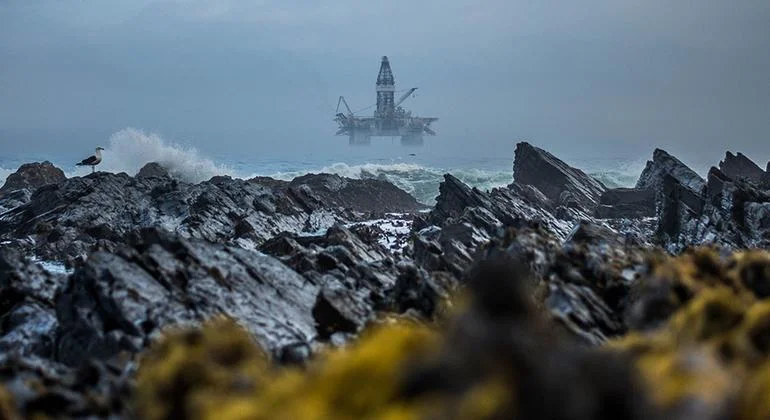
Middle East Conflict Disrupts Global Energy Supplies, Worsens Crisis for Developing Nations
A month after Israeli and US airstrikes targeted Iran, the resulting escalation in the Middle East has sharply curtailed shipping traffic through the Strait of Hormuz, a vital chokepoint for global oil supplies. The slowdown in tanker movements has rippled outward to disrupt shipments of natural gas, coal, food, and fertilizers as well. This disruption has hit least-developed countries in Africa and South Asia the hardest, putting intense pressure on economies that rely heavily on imported liquid fuels and agricultural inputs. Energy prices, including Brent Crude oil, remain elevated above $100 per barrel, straining household budgets and leading to widespread... [Continue Reading]
360LiveNews | 01 Apr 2026 18:15


UK to host meeting with 35 countries on reopening the Strait of Hormuz amid disruptions from Iran
The United Kingdom is set to convene a significant gathering of 35 countries to discuss the critical issue of reopening the Strait of Hormuz, a vital shipping route disrupted by actions from Iran. Prime Minister Keir Starmer announced that the discussions are a part of ongoing British and French diplomatic efforts aimed at restoring safety and freedom of navigation in the region. This important meeting is scheduled to take place on Thursday. The Strait of Hormuz, which sees a substantial amount of global oil transport, has recently become a focal point of international tensions, primarily due to Iran's military interventions.... [Continue Reading]


Philippines and Iran Discuss Cooperation on Vessel Passage Through Strait of Hormuz
Philippine officials have initiated discussions with their Iranian counterparts regarding potential pathways for cooperation, particularly focused on securing safe passage for vessels through the critically important Strait of Hormuz, which Iran currently has under blockade. This dialogue commenced on April 1, when Philippine Foreign Affairs Secretary Theresa Lazaro and Energy Secretary Sharon Garin met with Iran's Ambassador to the Philippines, Yousef Esmaeilzadeh. During her meeting, Secretary Lazaro expressed the commitment to advance bilateral ties, emphasizing the importance of energy cooperation between the two nations. In a social media update, she stated, "We discussed key avenues for cooperation. Building on the... [Continue Reading]


Macron Calls for Restoring Freedom of Navigation in Strait of Hormuz Amid Rising Military Tensions
French President Emmanuel Macron has reiterated the urgent need for restoring freedom of navigation in the Strait of Hormuz, an essential maritime passage where a significant portion of the world’s oil and liquefied natural gas transit occurs. Speaking alongside Japanese Prime Minister Sanae Takaichi in Tokyo, Macron emphasized that recent military tensions, particularly the ongoing conflict involving the United States, Israel, and Iran, have severely impacted this critical route. This situation poses a substantial threat to global markets and energy supplies. The Strait of Hormuz is a vital chokepoint, facilitating the transit of approximately one-fifth of the world’s oil and... [Continue Reading]


Iran conflict leads to rising petrol prices in the US, impacting household budgets and causing concern among drivers
The ongoing conflict involving Iran has reached a critical stage as the repercussions are increasingly felt both domestically in the United States and abroad. Reports indicate that the war has led to soaring petrol prices in the US, significantly affecting household budgets. Drivers at petrol stations, such as the Liberty petrol station in Washington, express shock at the rising costs, with one customer stating, "We are paying the price" of the conflict. The situation has left many bewildered about the economic implications of a war they feel they did not support. As the situation in Iran continues to escalate, officials... [Continue Reading]


Trump suggests potential conclusion to Iran conflict within two to three weeks amid tensions over Strait of Hormuz
In the ongoing conflict in the Middle East, recent statements by US President Donald Trump indicate that the war with Iran may conclude within two to three weeks. This assertion comes amidst heightened tensions over the strategic Strait of Hormuz, a vital oil shipping channel. Reports suggest that a potential agreement is being considered, with Trump mentioning the need for other nations to ensure security in this critical maritime passage. The remarks reflect a notable shift in diplomatic discourse aimed at de-escalating a crisis that has persisted for a month. The situation escalated recently when Iranian President Ebrahim Raisi communicated... [Continue Reading]


Qatar Offers to Facilitate US-Iran Negotiations Amid Escalating US-Israeli Conflict
In a significant development regarding Middle Eastern geopolitics, Qatar's Foreign Ministry has officially stated that it is "ready to help" facilitate any ongoing negotiations between the United States and Iran amid the US-Israeli conflict. This announcement was made by spokesperson Majed al-Ansari, who emphasized Qatar's willingness to aid in reaching a resolution of the tensions that have escalated in recent weeks. This diplomatic overture comes at a time when US President Donald Trump expressed optimism surrounding potential agreements, stating he was "pretty sure" that a deal was on the verge of being struck. The backdrop of this situation is the... [Continue Reading]

UK Boosts Gulf Air Defences Amid Rising Iran Missile and Drone Threats
The United Kingdom is sending crucial air defence support to Gulf countries facing persistent missile and drone threats linked to Iran's military activities in the region. Defence Secretary John Healey is on a diplomatic tour of Saudi Arabia, Qatar, and Bahrain to enhance collaboration on security measures. This move underlines London’s commitment to protecting its allies and vital shipping lanes, such as the Strait of Hormuz, from increasing Iranian aggression. These enhanced air defences aim to shield Gulf partners from attacks that have intensified since the conflict’s recent escalation. The UK government is balancing this bolstered military support without becoming... [Continue Reading]
360LiveNews | 31 Mar 2026 17:06
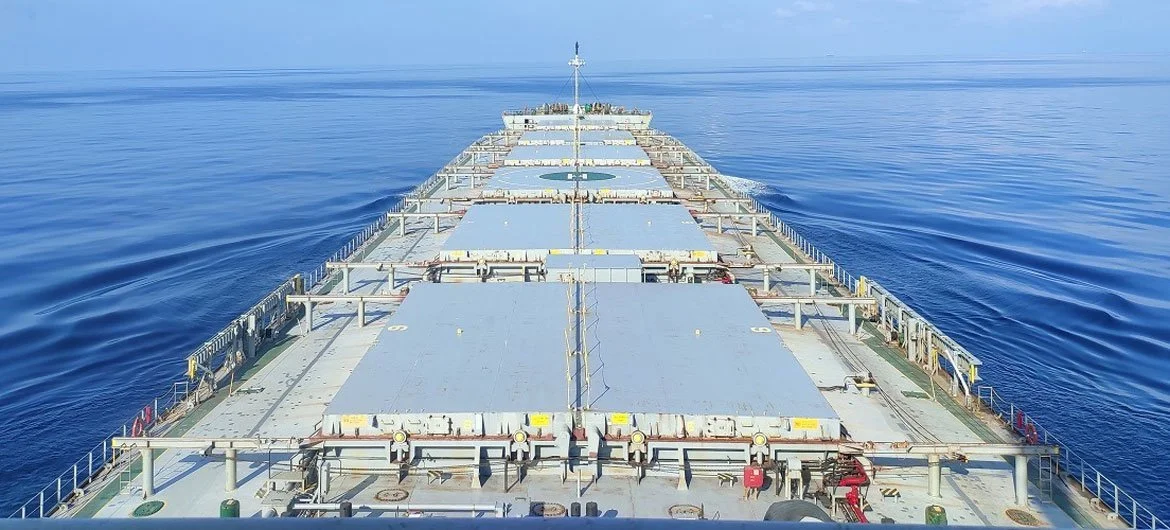
20,000 Seafarers Stranded in Strait of Hormuz Amid Middle East Conflict
An estimated 20,000 seafarers remain stuck on approximately 2,000 vessels in the Strait of Hormuz, a critical chokepoint for global oil transport. Ships including oil and gas tankers, cargo carriers, and six cruise liners are unable to pass freely due to the ongoing conflict in the region. Iran, which borders the northern side of the strait, has declared it will only permit 'non-hostile' ships through, drastically reducing daily ship traffic from around 150 vessels before the war to just four or five now. This unprecedented disruption in the post-World War II era poses significant risks to the safety of crew... [Continue Reading]
360LiveNews | 31 Mar 2026 13:33

Russia Accuses US and Israel of Blocking Iran-Gulf Normalization Efforts
Russia has publicly accused the United States and Israel of interfering in diplomatic initiatives aimed at improving relations between Iran and its neighboring Gulf states. At a Moscow forum, Foreign Minister Sergey Lavrov said both countries seek to block these normalization talks, hoping to isolate Iran from the Gulf Cooperation Council (GCC) countries. Lavrov underscored the contradictions in US policy, reciting remarks from President Donald Trump who expressed disregard for international law, contrasting with criticism from US officials over Iran’s actions in strategic waterways. This dispute reflects broader geopolitical competition in the Middle East, where Russia supports improved regional ties... [Continue Reading]
360LiveNews | 31 Mar 2026 12:54

Iran Launches Strikes in Region, Including Attack on Oil Tanker; Israel Responds with Retaliatory Strikes in Tehran
In a significant escalation of military tensions, Iran has recently launched strikes across the region, including an attack against a crude oil tanker off the coast of Dubai. This action has drawn a sharp response, with Israeli forces reportedly retaliating by targeting positions in Tehran. The situation reflects the volatile dynamics between the two countries amid increasing military engagements and threats. Recent developments indicate that Iranian forces targeted the oil tanker amid ongoing disputes regarding maritime security and shipping routes in the Gulf region. This particular attack is part of Iran's broader strategy to exert its influence over key shipping... [Continue Reading]


Myanmar Faces Fuel Shortages Amid Ongoing Middle East Conflict and Rationing Policy
The ongoing conflict in the Middle East, particularly following the recent escalation around the Strait of Hormuz, has led to significant disruptions in fuel supplies, impacting nations far beyond the region. In Myanmar, drivers are facing long queues at petrol stations as the country grapples with fuel shortages attributed to the fallout from the hostilities. Since military authorities instituted a rationing policy, individuals can only purchase a limited amount of fuel each week, exacerbating the situation as demand remains high amidst a civil conflict that has ravaged the country since 2021. Recent updates from BBC's South East Asia Correspondent, Jonathan... [Continue Reading]


US Secretary of State Rubio affirms Strait of Hormuz will reopen amid escalating US-Iran tensions
The situation surrounding the Strait of Hormuz continues to escalate, with US Secretary of State Marco Rubio asserting that the waterway will reopen "one way or another" in an exclusive interview with Al Jazeera. This statement comes against the backdrop of ongoing tensions between the US and Iran, exacerbated by Iran's actions in the region, including military posturing that has led to increased uncertainty in global energy markets. Rubio emphasized that the US will not accept Iran's claims over the Strait, a critical chokepoint for global oil transit. He warned of "real consequences" for Iran if it persists in blocking... [Continue Reading]


Strait of Hormuz partially closed as Iran conflict disrupts global oil trading and drives price increases
As the conflict in Iran escalates, now into its 30th day, the strategic Strait of Hormuz remains partially closed, leading to significant disruptions in global oil trading and sharp price increases. This critical maritime passage is vital for the transportation of oil, and its restricted access is causing ripples across businesses and economies worldwide. Business owner John Catsimatidis noted this rising tension during a discussion with France 24's Gavin Lee, linking the geopolitical turmoil directly to growing oil prices and economic instability on a global scale. The ongoing US-Israel war on Iran has incited a broader energy crisis, as diplomatic... [Continue Reading]


Brent crude oil prices rise 51% since March, reaching $112.57 a barrel amid ongoing Iran conflict disruptions
Brent crude oil prices are witnessing unprecedented levels of escalation, on track for the highest monthly gain in history due to ongoing disruptions caused by the war involving Iran. As the conflict intensifies, Brent crude has jumped by 51% since the start of March, reaching $112.57 a barrel by the end of the last trading session on Friday. This surge has marked a significant increase from $72.48 on February 27, just before the commencement of military actions linked to the US-Israeli war against Iran, with prices even peaking at $119.50 during March, the highest point since mid-2022. The volatility in... [Continue Reading]


UK to deploy Royal Fleet Auxiliary vessel Lyme Bay to enhance maritime security in the Strait of Hormuz
The United Kingdom is taking significant steps to enhance maritime security in the Strait of Hormuz by preparing for the deployment of the Royal Fleet Auxiliary vessel, Lyme Bay. This amphibious ship, measuring 580 feet, is set to be equipped with autonomous underwater drones and mine-hunting boats, facilitating its transformation into a mobile base capable of clearing naval mines. As tensions continue to mount in the region, the decision aligns with recent threats posed by maritime mines that jeopardize both commercial and military navigation. The vessel is currently undergoing routine maintenance in Gibraltar, where it was originally intended for training... [Continue Reading]


US and South Korea Discuss Regional Security Issues at G7 Meeting Amid Rising Tensions in Strait of Hormuz
At a recent G7 foreign ministers' meeting in Paris, US Secretary of State Marco Rubio and South Korean Foreign Minister Cho Hyun engaged in a brief exchange regarding critical regional security issues, particularly focusing on the rising tensions in the Strait of Hormuz. This incident, reported on March 29, reflects the ongoing challenges these nations face amidst heightened maritime security concerns related to Iran. Their interaction was notably limited, suggesting that deeper discussions on pressing matters were postponed while other priorities loomed. The Strait of Hormuz is a vital maritime chokepoint through which approximately 20% of global oil passes, making... [Continue Reading]


Violence in Iran escalates with family deaths and facility damage, prompting anti-war protests in Tel Aviv and US cities
Recent developments in Iran have heightened tensions amid ongoing violence and public unrest. Reports confirm that a family of four was killed in Iranian attacks in Bushehr province, while significant damage was reported to a water facility in Khuzestan. These events have sparked anti-war protests in Tel Aviv and various US cities, as demonstrators respond to both domestic and international pressures related to the escalating conflict. The humanitarian crisis in the region continues to deepen, with the United Nations highlighting the severe economic consequences of the fighting, particularly the closure of the Strait of Hormuz. This vital maritime passage has... [Continue Reading]


Nearly 1,500 Iranian Civilians Reported Killed Amid U.S. and Israeli Strikes in Ongoing Conflict
In a stark escalation of hostilities in the ongoing conflict, recent reports indicate that nearly 1,500 Iranian civilians have been killed due to U.S. and Israeli strikes in the region. This figure marks one of the most comprehensive estimates released, highlighting the devastating impact on civilian life amid a month-long war. The findings reflect increasing international concern about the repercussions of military actions on non-combatants in the affected areas. The toll, outlined in the report, underscores a troubling trend where civilians bear the brunt of escalated military engagements. Reports of casualties have surged as aerial bombardments intensify, prompting outcry from... [Continue Reading]


Iran's IRGC Issues Warnings Amid Ongoing Diplomatic Negotiations, Raising Concerns Over Regional Military Escalation
As international dialogue continues, the situation surrounding Iran's involvement in regional conflicts intensifies. Recently, officials from the Islamic Revolutionary Guard Corps (IRGC) issued warnings, increasing fears that Iran might escalate its military engagement dramatically despite ongoing diplomatic negotiations. These developments have raised serious concerns among global stakeholders about the potential for a broader confrontation that could affect maritime security and energy supplies. Sources reveal that threats from Iran have had immediate repercussions, particularly with regard to maritime traffic in the Strait of Hormuz. This crucial waterway has witnessed disruptions, leading to a global energy shock. Iranian leaders have signalled their... [Continue Reading]


Iran's IRGC Announces Closure of Strait of Hormuz to Ships Linked to "Zionist-American Enemies"
Iran's Islamic Revolutionary Guard Corps (IRGC) has declared the closure of the strategically significant Strait of Hormuz for shipping to and from ports associated with what it terms "Zionist-American enemies." The announcement came on Friday, with the IRGC asserting that three vessels attempting to transit the route were turned back. This action underscores the heightened tensions in the region as Iran enters another day of ongoing conflict with the United States and Israel, creating significant implications for global shipping routes. The IRGC reported that the ships were intercepted after warnings were issued to their crews. Emphasizing their stance, the military... [Continue Reading]


US Secretary of State Marco Rubio Calls for Reopening of Strait of Hormuz Amid Rising Tensions in the Middle East
Amid escalating tensions in the Middle East, US Secretary of State Marco Rubio has emphasized the importance of reopening the Strait of Hormuz, which has recently been blocked by Iranian activities. This call to action comes as Rubio attends G7 foreign ministers' meetings in France, marking his first international trip following a series of airstrikes launched by the United States and Israel against Iran on February 28. These developments underscore the strategic significance of the Strait of Hormuz, a critical global chokepoint for oil transportation. Rubio asserted the collective interest of the G7 nations in ensuring the Strait remains open... [Continue Reading]