UK Leads Global Coalition to Secure Strait of Hormuz Amid Iran Closure
The United Kingdom led an international meeting involving more than 40 countries and global organizations, including the EU and International Maritime Organisation, to address the blockade of the Strait of Hormuz by Iran. This strait is a vital maritime corridor used to transport energy exports such as oil, refined petroleum, and liquefied natural gas, as well as essential agricultural products like fertilizers critical to African farming. Iran’s closure of the strait poses a direct threat to global economic stability and food security. The coordinated response highlights the determination of the global community to reopen and secure freedom of navigation through... [Continue Reading]
 360LiveNews | 02 Apr 2026 17:27
Iran condemns US military actions in Strait of Hormuz, calls them aggression
On February 28, 2026, Iran publicly denounced what it called military aggression by the United States in the Persian Gulf region. Tehran condemned the US for violating Article 2(4) of the UN Charter, which prohibits the use of force against other states, and accused it of destabilizing maritime security in sensitive waterways such as the Strait of Hormuz and the Sea of Oman. The Islamic Republic underlined that respect for freedom of navigation depends fundamentally on respecting the sovereignty and rights of coastal nations. The US military actions have heightened tensions in a region vital to global oil shipments and... [Continue Reading]
360LiveNews | 02 Apr 2026 01:51


Philippines and Iran Discuss Cooperation on Vessel Passage Through Strait of Hormuz
Philippine officials have initiated discussions with their Iranian counterparts regarding potential pathways for cooperation, particularly focused on securing safe passage for vessels through the critically important Strait of Hormuz, which Iran currently has under blockade. This dialogue commenced on April 1, when Philippine Foreign Affairs Secretary Theresa Lazaro and Energy Secretary Sharon Garin met with Iran's Ambassador to the Philippines, Yousef Esmaeilzadeh. During her meeting, Secretary Lazaro expressed the commitment to advance bilateral ties, emphasizing the importance of energy cooperation between the two nations. In a social media update, she stated, "We discussed key avenues for cooperation. Building on the... [Continue Reading]
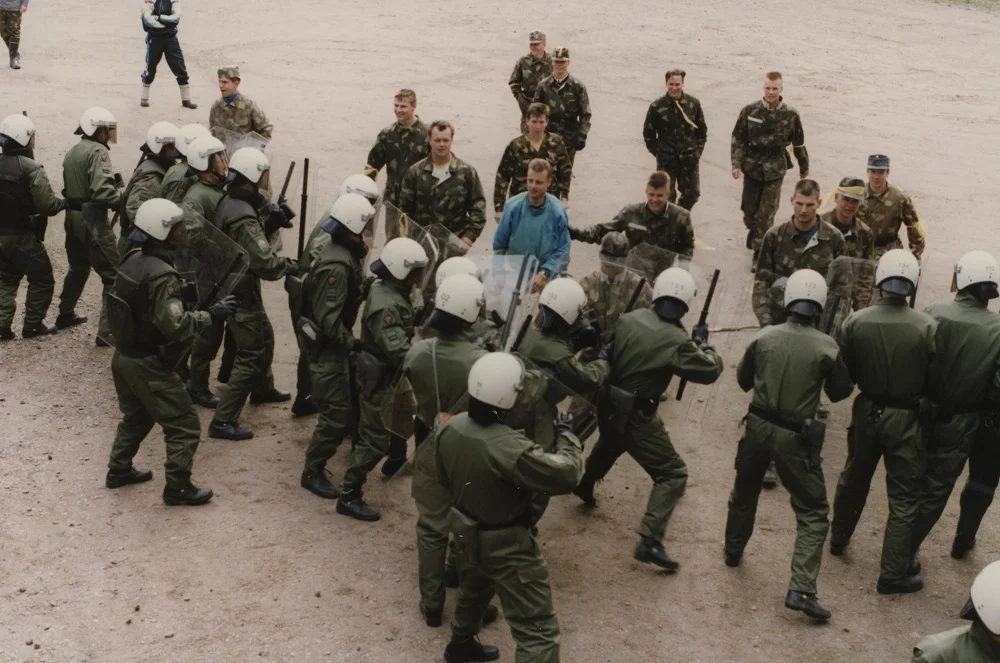
Finland’s Border Guard Marks 30 Years of Special Intervention Units Enhancing National Security
Finland’s Border Guard is commemorating 30 years since the creation of its special intervention units, elite forces trained to address the toughest border security challenges across the country. These units include the 1st Special Intervention Unit based in Southeast Finland and the 5th Special Intervention Unit operating in the Gulf of Finland region. Together, they form the backbone of Finland’s heightened border security measures. Currently, the units are staffed by professional border guards trained to respond swiftly to security threats such as illegal crossings, smuggling, and other border-related crises. Their remit extends beyond border defense, providing tactical support to other... [Continue Reading]
360LiveNews | 01 Apr 2026 12:39
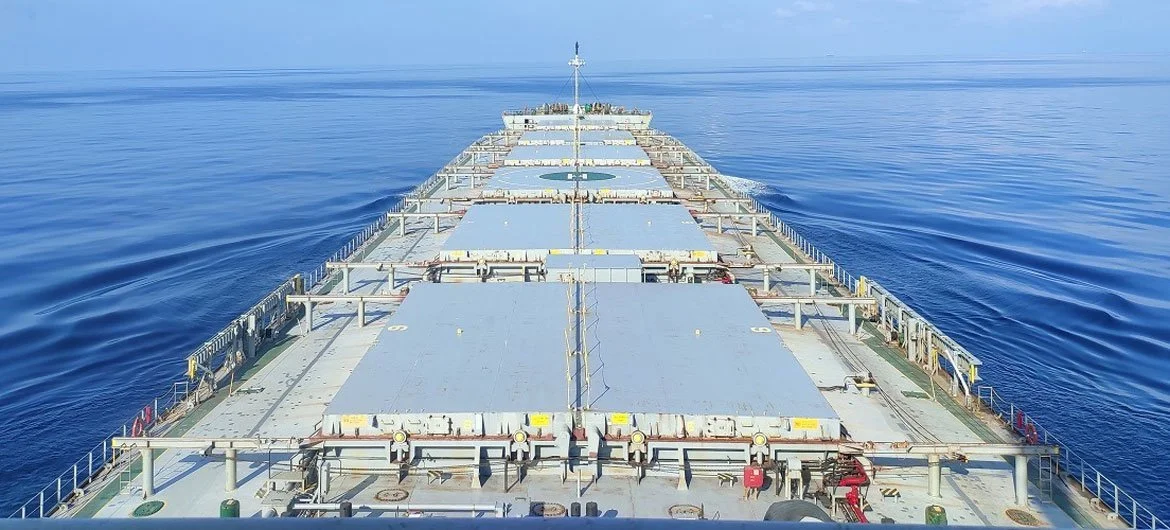
20,000 Seafarers Stranded in Strait of Hormuz Amid Middle East Conflict
An estimated 20,000 seafarers remain stuck on approximately 2,000 vessels in the Strait of Hormuz, a critical chokepoint for global oil transport. Ships including oil and gas tankers, cargo carriers, and six cruise liners are unable to pass freely due to the ongoing conflict in the region. Iran, which borders the northern side of the strait, has declared it will only permit 'non-hostile' ships through, drastically reducing daily ship traffic from around 150 vessels before the war to just four or five now. This unprecedented disruption in the post-World War II era poses significant risks to the safety of crew... [Continue Reading]
360LiveNews | 31 Mar 2026 13:33


Iranian Attack on Oil Tanker Near Dubai Escalates Middle East Tensions and Raises Spill Concerns
A significant escalation in tensions in the Middle East has occurred following an Iranian attack on a fully loaded crude oil tanker off the coast of Dubai. The incident has resulted in a fire breaking out on the vessel, prompting warnings from Kuwaiti authorities regarding potential oil spills in the surrounding waters. This aggressive action adds to an already charged environment marked by ongoing conflicts involving Iran, Israel, and the United States. According to confirmed reports, Iran launched the attack on the tanker on Monday, casting a shadow over maritime security in one of the world's busiest shipping lanes. The... [Continue Reading]

Houthi movement launches first military attacks on Israel, escalating regional conflict and threatening Red Sea shipping routes
The Houthi movement in Yemen has initiated its first military attacks on Israel, marking a significant escalation in the ongoing regional conflict. This development opens a new front in the hostilities that have intensified over the past month. The attacks are notable not only for their implications for national security but also for the potential risks they pose to shipping routes in the Red Sea, a critical region for international trade and oil transportation. The Houthis, officially known as Ansar Allah, have aimed their operations at locations within Israel, a move that represents a shift in their long-standing adversarial posture.... [Continue Reading]


UK to deploy Royal Fleet Auxiliary vessel Lyme Bay to enhance maritime security in the Strait of Hormuz
The United Kingdom is taking significant steps to enhance maritime security in the Strait of Hormuz by preparing for the deployment of the Royal Fleet Auxiliary vessel, Lyme Bay. This amphibious ship, measuring 580 feet, is set to be equipped with autonomous underwater drones and mine-hunting boats, facilitating its transformation into a mobile base capable of clearing naval mines. As tensions continue to mount in the region, the decision aligns with recent threats posed by maritime mines that jeopardize both commercial and military navigation. The vessel is currently undergoing routine maintenance in Gibraltar, where it was originally intended for training... [Continue Reading]


US and South Korea Discuss Regional Security Issues at G7 Meeting Amid Rising Tensions in Strait of Hormuz
At a recent G7 foreign ministers' meeting in Paris, US Secretary of State Marco Rubio and South Korean Foreign Minister Cho Hyun engaged in a brief exchange regarding critical regional security issues, particularly focusing on the rising tensions in the Strait of Hormuz. This incident, reported on March 29, reflects the ongoing challenges these nations face amidst heightened maritime security concerns related to Iran. Their interaction was notably limited, suggesting that deeper discussions on pressing matters were postponed while other priorities loomed. The Strait of Hormuz is a vital maritime chokepoint through which approximately 20% of global oil passes, making... [Continue Reading]


Iran's IRGC Issues Warnings Amid Ongoing Diplomatic Negotiations, Raising Concerns Over Regional Military Escalation
As international dialogue continues, the situation surrounding Iran's involvement in regional conflicts intensifies. Recently, officials from the Islamic Revolutionary Guard Corps (IRGC) issued warnings, increasing fears that Iran might escalate its military engagement dramatically despite ongoing diplomatic negotiations. These developments have raised serious concerns among global stakeholders about the potential for a broader confrontation that could affect maritime security and energy supplies. Sources reveal that threats from Iran have had immediate repercussions, particularly with regard to maritime traffic in the Strait of Hormuz. This crucial waterway has witnessed disruptions, leading to a global energy shock. Iranian leaders have signalled their... [Continue Reading]